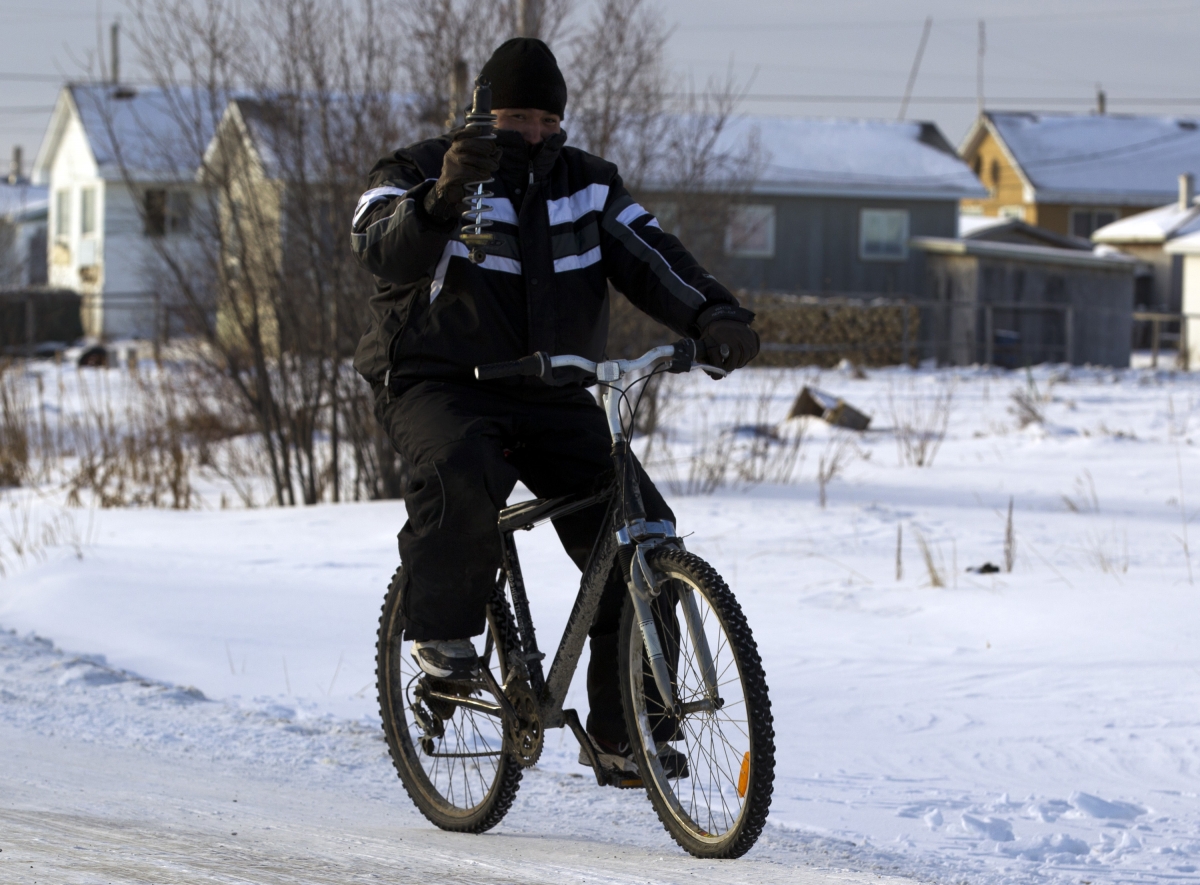
In March alone, the village saw 28 suicide attempts, more than 1% of its population of around 2,000. More than 100 residents aged from 11 to 71 have tried to take their lives since September, with one dying, said Attawapiskat First Nation chief Bruce Shisheesh.
Indigenous communities in Canada have long been suffering from high levels of poverty and low life expectancy compared to other Canadians. Unemployment and incarceration rates are also higher than the national average.
Shisheesh declared the state of emergency at the weekend after the 11 locals attempted suicide within less than 24 hours of each other on 9 April. "I'm asking friends, government, that we need help in our community," Shisheesh told CBC. "I have relatives that have attempted to take their own lives... cousins, friends."
Despite the recent suicide epidemic, Attawapiskat First Nation currently has no counsellors and relies on four healthcare workers with no specific training for mental health issues. "These four workers, crisis workers, are burned out. They can't continue working daily because of the amount of suicides [that] have happened. They're backlogged," Rebecca Friday, the Deputy Grand Chief of the Mushkegowuk Council, representing eight Ontario First Nations including Attawapiskat told the Canadian broadcaster.
Prime Minister Justin Trudeau pledged to continue working to improve indigenous people's living conditions in a Twitter message where he described the Attawapiskat incident as "heartbreaking".
Comments
Post a Comment