News, Information, Opportunities for Africans, all round solution, inspiring stories and articles etc.
Search This Blog
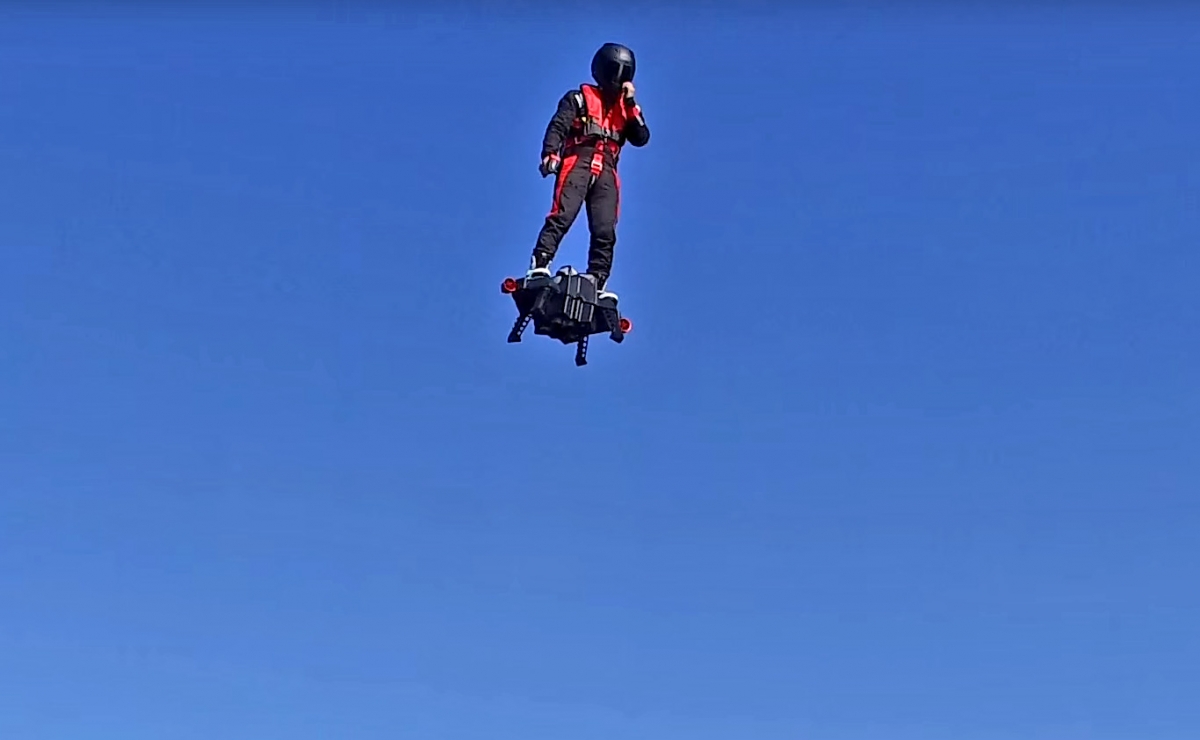
Flyboard Air: Franky Zapata develops his own jet-powered flying hoverboard that actually works
French
jet ski champion Franky Zapata has joined the race to build the first
commercially viable hoverboard, unveiling a test flight of a new
jet-powered flying propeller device.
The Flyboard Air, which took
four years to develop, can reach heights of up to 10,000ft and hit a top
speed of 95mph – but its onboard batteries contain only enough power
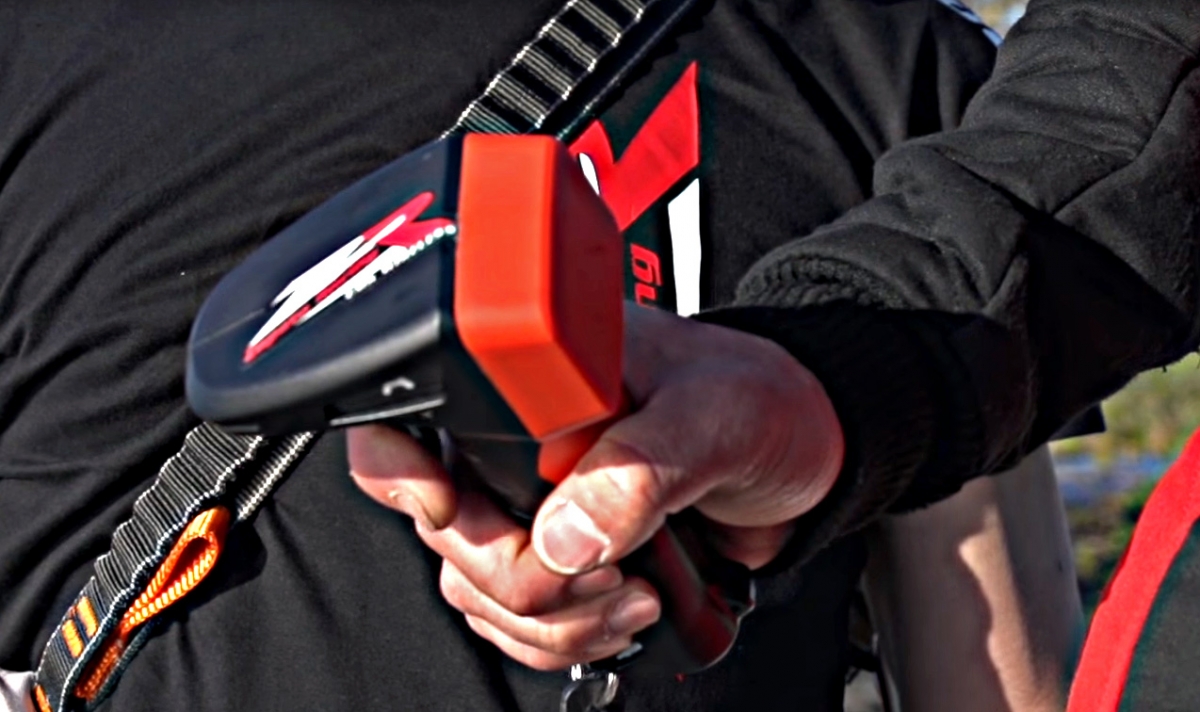
for a 10-minute-long flight. Very few details have been released by Zapata Racing,
but the video shows Zapata pressing a joystick wired to the base in
order to control the direction, height and speed of the hoverboard,
which is powered by jet engine propulsion. The Flyboard Air is controlled by pressing on a joystick that is wired to the base of the hoverboardZapata RacingZapata
is already known for his Flyboard Pro jet platform, which is tethered
to a jet ski and provides enough thrust to propel users up to 30ft in
the air on a jet of water to perform acrobatic stunts. The firm also has
a Jetpack product that lets users fly safely over water, so it is not
much of a stretch for Zapata to go into hoverboards.
Interestingly, the Flyboard Air's design bears a similarity to the Omni Hoverboard
invented by Canadian Catalin Alexandru Duru. The Omni broke the
Guinness World Record for longest distance travelled by a hoverboard in
May 2015, when it flew a distance of 905ft at a height of 16ft in the
air, in just 90 seconds.
Duru's invention features eight
propellers and a frame made from carbon fibre, with motors powered by 12
lithium polymer batteries, and it too is controlled by a joystick,
although it can only fly for 90 seconds.
Who will win the hoverboard race?
Besides Duru and Zapata's inventions, in the hoverboard category there's also the crowdfunded Hendo Hoverboard and the Lexus Hoverboard, but they work in a very different way. Neither of those designs go very far off the ground.
The
Hendo works by magnetics and can only be used in a special
purpose-built conductive rink, while the Lexus uses superconductors and
magnets that work against gravity to lift the board, as liquid nitrogen
cools the superconductors, giving off steam on both sides of the board.
In
contrast, since Duru's hoverboard is still at the bare-bones prototype
stage, Zapata's Flyboard Air, which looks like a polished product, could
make it to market first and beat out all the existing hoverboards
currently competing today.
However, although Zapata Racing says
that its hoverboard can go up to 10,000 ft, the video only shows a test
flight travelling at 55km/h for 3 and a half minutes, and we don't know
how high up into the air Zapata went, so it's possible Duru's invention
might be more advanced.
The firm says its prototype is still
pending legislative approval for the government, so we won't be seeing
it on the market for a while. Many more test flights will be needed to
ensure that it is safe for users, as well as to prove its lofty claims.
A shell company registered in the British Virgin Islands was part of a 10-member consortium that bid unsuccessfully for the Pune Indian Premier League (IPL) team in 2010, according to reports. It is the first link to emerge between the cash-rich IPL and leaked documents from the Panamanian law firm Mossack Fonseca.
Yesterday, I was passively listening to a radio program when the presenter played a Christmas tune. Like a big joke, I suddenly began to realize that the year is as good as over. I still remember like it was yesterday when I was putting down my new year’s resolutions and my goals.
Comments
Post a Comment