Literacy
was widespread in the Kingdom of Judah before Nebuchadnezzar II's
destruction of Jerusalem in 586BC, analysis of inscriptions on ancient
ceramic shards has revealed. This discovery points to key Hebrew
biblical texts being written before this time, as an "educational
infrastructure" of this kind is considered an important condition for
the creation of such texts.
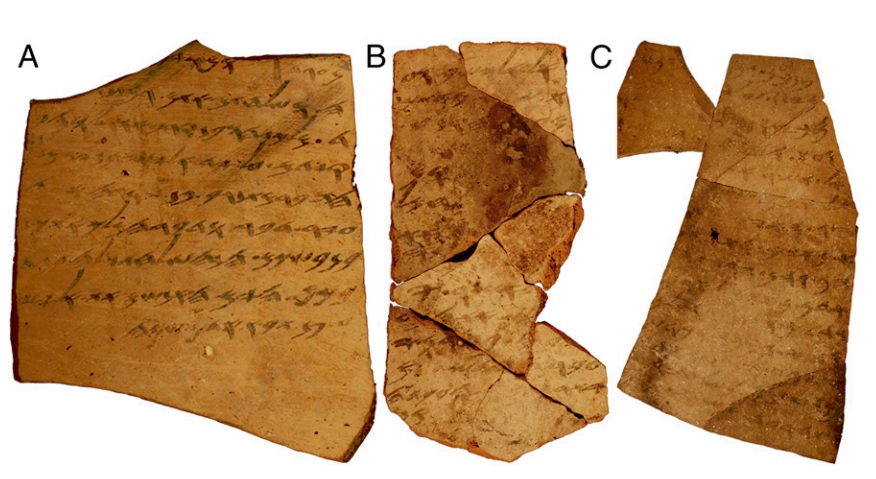
Researchers from Tel Aviv University looked at 16 Hebrew inscriptions on ceramics found at the desert fortress of Arad in southern Judah. These ceramics were dated to around 600BC – about 20 years before the fall of the kingdom.
In the study, published in the journal PNAS, researchers used computerised image processing and "machine learning algorithms" to work out what the inscriptions said and how many different authors wrote them.
The inscriptions included instructions for troops, the registration of expenses, the provisions of supplies and correspondence with neighbouring forts. This content indicates people were able to read and write along the chain of military command, at least down to the quartermaster.
Setting the stage for Hebrew biblical texts
"We assume that in all these locations the situation was similar to Arad, with even the most mundane orders written down occasionally," they wrote. "In other words, the entire army apparatus, from high-ranking officials to humble vice-quartermasters of small desert outposts far from the centre, was literate, in the sense of the ability to communicate in writing."
Analysis revealed they had been written by at least six different people. If this were to be extrapolated to the wider population, the researchers say it would mean there were a "significant number of literate individuals" living in Judah around 600 BC. The same level of literacy would not be found again until around 200 BC.
This widespread literacy before the fall of Jerusalem has important implications for the timeline of when the Hebrew bible would have been written, the researchers say. While biblical texts could have been written by an educated person and told to an illiterate population, the team argues having an educated society would provide a better "stage setting" for the completion of such works.
"Widespread literacy offers a better background for the composition of ambitious works such as the Book of Deuteronomy and the history of Ancient Israel in the Books of Joshua to Kings (known as the Deuteronomistic History), which formed the platform for Judahite ideology and theology," they wrote.
Researchers from Tel Aviv University looked at 16 Hebrew inscriptions on ceramics found at the desert fortress of Arad in southern Judah. These ceramics were dated to around 600BC – about 20 years before the fall of the kingdom.
In the study, published in the journal PNAS, researchers used computerised image processing and "machine learning algorithms" to work out what the inscriptions said and how many different authors wrote them.
The inscriptions included instructions for troops, the registration of expenses, the provisions of supplies and correspondence with neighbouring forts. This content indicates people were able to read and write along the chain of military command, at least down to the quartermaster.
Setting the stage for Hebrew biblical texts
"We assume that in all these locations the situation was similar to Arad, with even the most mundane orders written down occasionally," they wrote. "In other words, the entire army apparatus, from high-ranking officials to humble vice-quartermasters of small desert outposts far from the centre, was literate, in the sense of the ability to communicate in writing."
Analysis revealed they had been written by at least six different people. If this were to be extrapolated to the wider population, the researchers say it would mean there were a "significant number of literate individuals" living in Judah around 600 BC. The same level of literacy would not be found again until around 200 BC.
This widespread literacy before the fall of Jerusalem has important implications for the timeline of when the Hebrew bible would have been written, the researchers say. While biblical texts could have been written by an educated person and told to an illiterate population, the team argues having an educated society would provide a better "stage setting" for the completion of such works.
"Widespread literacy offers a better background for the composition of ambitious works such as the Book of Deuteronomy and the history of Ancient Israel in the Books of Joshua to Kings (known as the Deuteronomistic History), which formed the platform for Judahite ideology and theology," they wrote.
Comments
Post a Comment