Azerbaijan
has said it is ending fighting in the Nagorno-Karabakh region, which
began overnight on 1 April. However, Armenian forces stationed in the
area say that their offensive had continued past 6am today (3 April).
In
a statement, Azerbaijan's defence ministry told BBC News that
"Azerbaijan, showing good will, has decided to unilaterally cease
hostilities". However, it warned its forces would retaliate if they were
attacked again.
The
Armenia-backed Nagorno-Karabakh Ministry of Defence (Mod) took to
social media to claim that Azerbaijan's forces had carried out artillery
strikes on civilian areas, including the market town Martakert, despite
the alleged ceasefire.
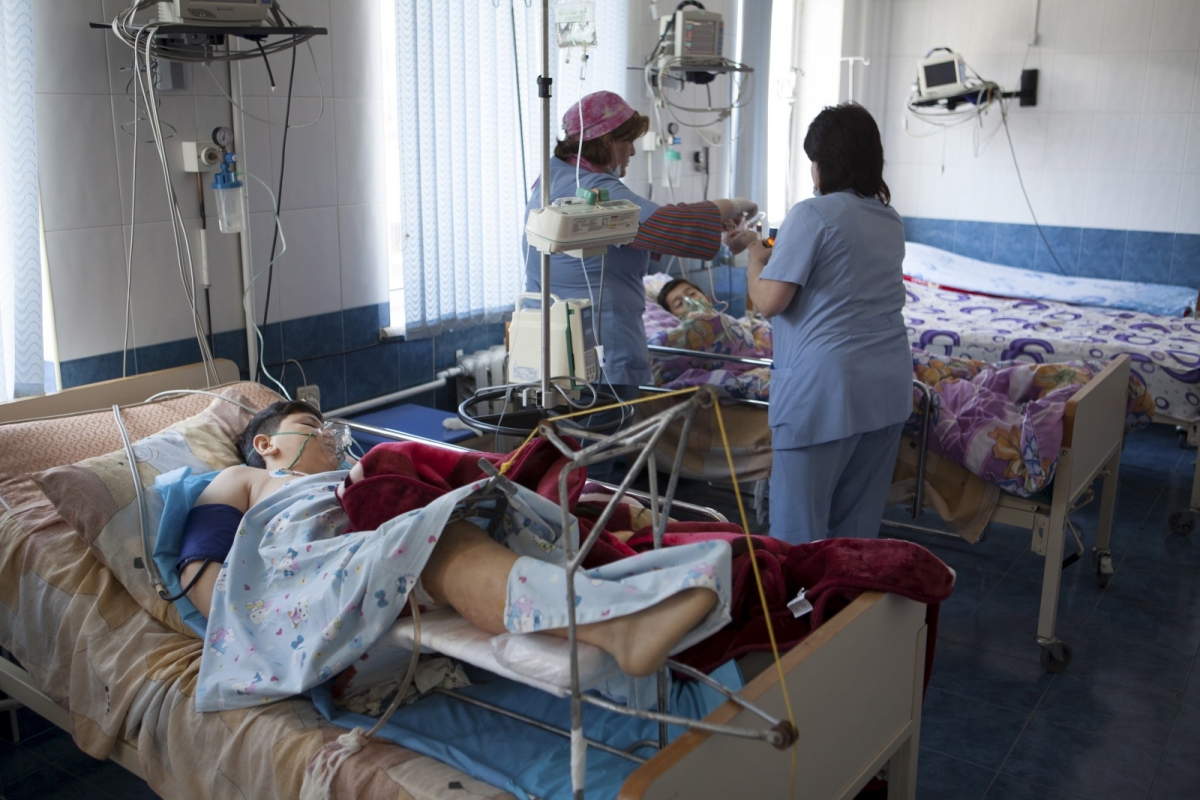
Yesterday (2 April), the Nagorno-Karabakh
MoD said a 12 year-old boy had been killed in a Grad-21 missile strike
by Azerbaijani forces. Other children have been reported to be injured
in military strikes during the last two days.
At least 30 soldiers are said to have been killed in the fighting. The
sudden outbreak of violence in the region was condemned by Russian
president Vladimir Putin, who called for an immediate ceasefire.
If
the conflict escalated it would mean a full-scale war breaking out on
Russia and Iran's doorsteps. Azerbaijan shares borders with Georgia and
Russia, while Armenia shares its border with Iran.
Meanwhile, Turkey's president, Recap Tayyip Erdogan, said Azerbaijan had his country's total support. He also criticised the Organization for Security and Co-operation in Europe (OSCE), which is tasked with resolving the dispute.
Erdogan's
office said the politican told an Azerbaijani reporter,: If the Minsk
Group had taken fair and decisive steps over this, such incidents would
not have happened. However, the weaknesses of the Minsk Group
unfortunately led the situation to this point."
Turkey did not establish diplomatic relations with Armenia when the country declared independence in 1991. Reyhan
Demytrie, a reporter for the BBC based in Tbilisi, Georgia, describes
both Armenia and Azerbaijan as "highly militarised" countries possessing
"sophisticated weaponry".
Permanent front lines
The
fighting began on Friday night. The Nagorno-Karabakh MoD claimed that
Azerbaijani forces had attempted to invade the area, attacking with
tanks, aircraft and artillery. The Azerbaijani MoD countered this,
saying civilian areas had come under attack from ethnic Armenian forces
based in Nagorno-Karabakh. The
region of Nagorno-Karabakh has been a source of conflict between
Azerbaijan and Armenia, with both countries claiming ownership over the
land. The USSR prevented any dispute over the area during the latter
half of the 20th century, when Armenia and Azerbaijan were
satellite states of the USSR. But when the Soviet empire began to
disintegrate in 1991, a referendum was held in the Nagorno-Karabakh that
led to it claiming independence. However, the United Nations, except
for three countries, views the region as part of Azerbaijan.
The
referendum led to a three-year long conflict between Azerbaijan and
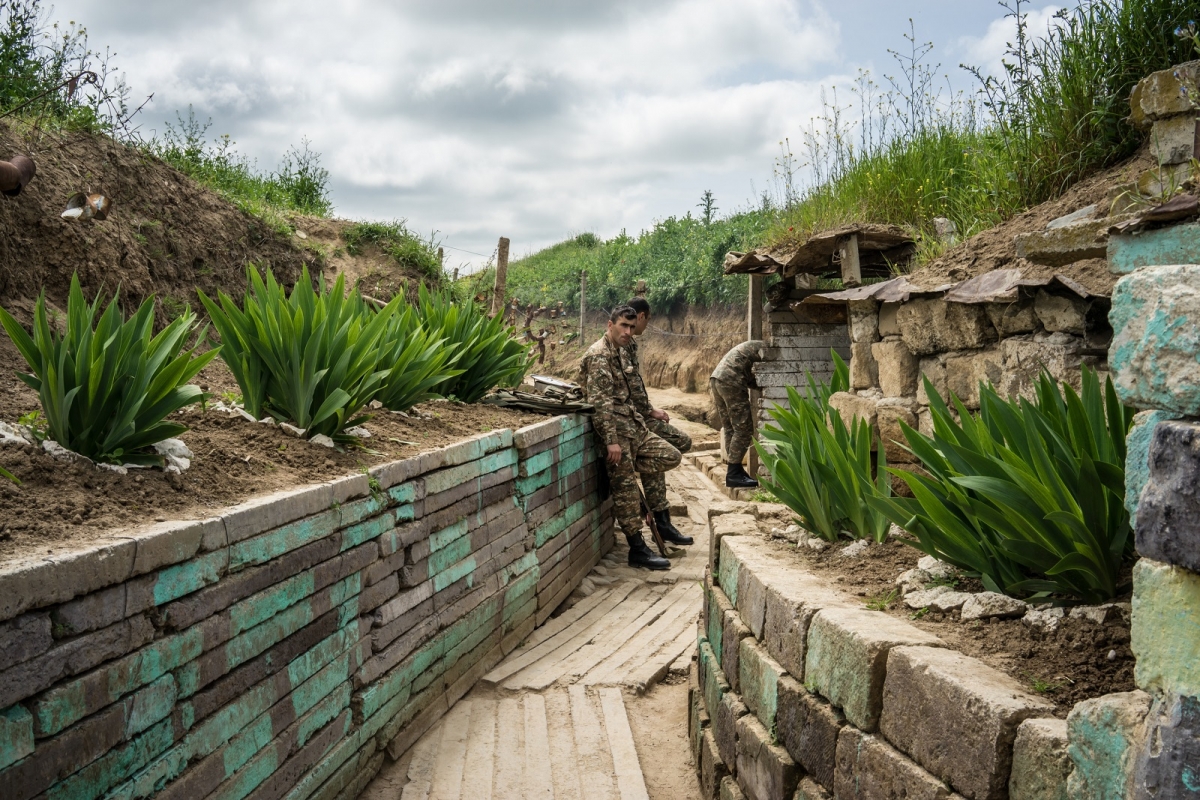
ethnic Armenians living in Nagorno-Karabakh. The war ended in 1994 with a
ceasefire. Now Armenian forces man fortified front lines, separated
from Azerbaijan forces by demilitarized zones – which both sides accuse
the other of violating.
This situation has led to a 12-year long
period of tension and sporadic small-scale conflicts in the area,
similar to that along the North Korea-South Korea border.
A shell company registered in the British Virgin Islands was part of a 10-member consortium that bid unsuccessfully for the Pune Indian Premier League (IPL) team in 2010, according to reports. It is the first link to emerge between the cash-rich IPL and leaked documents from the Panamanian law firm Mossack Fonseca.
Yesterday, I was passively listening to a radio program when the presenter played a Christmas tune. Like a big joke, I suddenly began to realize that the year is as good as over. I still remember like it was yesterday when I was putting down my new year’s resolutions and my goals.
Comments
Post a Comment