News, Information, Opportunities for Africans, all round solution, inspiring stories and articles etc.
Search This Blog
New research shows the North Pole is 'moving towards the UK' say scientists
New
scientific studies show that the North Pole is gradually shifting
towards the UK, as global warming is changing the way the Earth turns on
its axis. Experts and scientists now believe the North Pole's movement
is being caused by a shift in the distribution of water across the
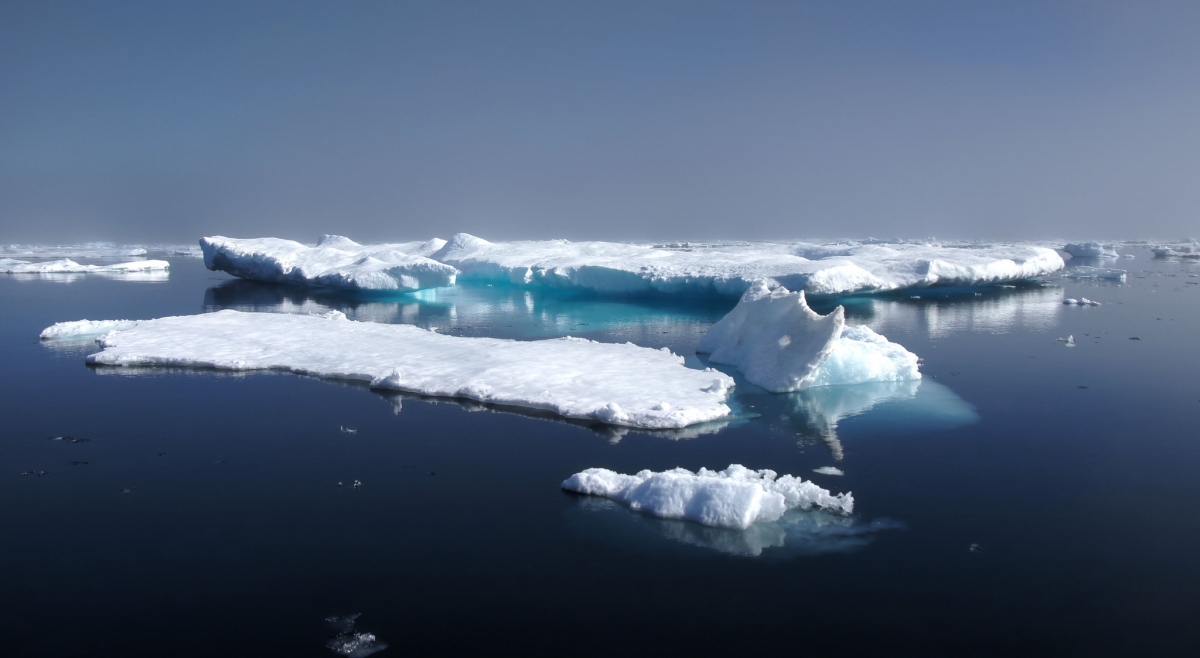
planet and the continued melting of polar ice.
Scientists
and navigators have been measuring the location of the true poles and
polar motion of the Earth since 1899. Throughout entire 20th century, scientists followed the poles as they moved fractionally towards Canada. The Earth's axis is currently 23.4 degrees from the equatorial planeSilver Spoon/WikimediaSpeaking to the New Scientist, Surenda Adhikari of Nasa's Jet Propulsion Lab said: "This
is the first time we have solid evidence that changes in land water
distribution on a global scale also shift which direction the axis moves
to. The recent shift from the 20th-century direction is very dramatic."
Melting ice contributing to a shift in weight
The study, which was published on Friday, 8 April in the Science Advances Journal,
explains how the North Pole is now moving towards the Greenwich
meridian. Melting ice sheets – particularly those around Greenland – are
being blamed for the Earth's change in weight distribution.
This
latest finding is not anything to be alarmed about, according to Jianli
Chen, senior research scientist at the University of Texas' Center for
Space Research. Chen,
who first attributed pole shift to climate change in 2013, said the
movement is "just another interesting effect of climate change".
A predicted rise in sea levels
However,
Nasa scientist Erik Ivins claims that since 2003, Greenland has lost
around 600 trillion pounds of ice a year, which has affected the balance
of the Earth's axis. West Antarctica loses 275 trillion pounds of ice,
while East Antarctica has gained around 165 trillion pounds of ice
annually.
On 30 March, it was reported that the melting of the Antarctic ice sheet could cause sea levels to rise dramatically. Nature – who published the report – said that melt from the Antarctic Ice Sheet could contribute more than a one metre rise in sea level by 2100, and a 15m rise by 2500. The recent findings follow the release of the Arctic Report Card
in December 2015, which was the 10th annual report of its kind. The
National Oceanic and Atmospheric Administration (NOAA) reported
increasing air and sea surface temperatures, decreasing sea ice totals
and the changing behaviour in sea life. The report also showed that
maximum sea ice coverage was the lowest since records began in 1979.
A shell company registered in the British Virgin Islands was part of a 10-member consortium that bid unsuccessfully for the Pune Indian Premier League (IPL) team in 2010, according to reports. It is the first link to emerge between the cash-rich IPL and leaked documents from the Panamanian law firm Mossack Fonseca.
Yesterday, I was passively listening to a radio program when the presenter played a Christmas tune. Like a big joke, I suddenly began to realize that the year is as good as over. I still remember like it was yesterday when I was putting down my new year’s resolutions and my goals.

Comments
Post a Comment