It
looks like a future dependent on renewable energy could indeed be
possible, as Germany demonstrated on (Sunday) 8 May when it generated so
much energy naturally that energy prices went into negative for the
first time.
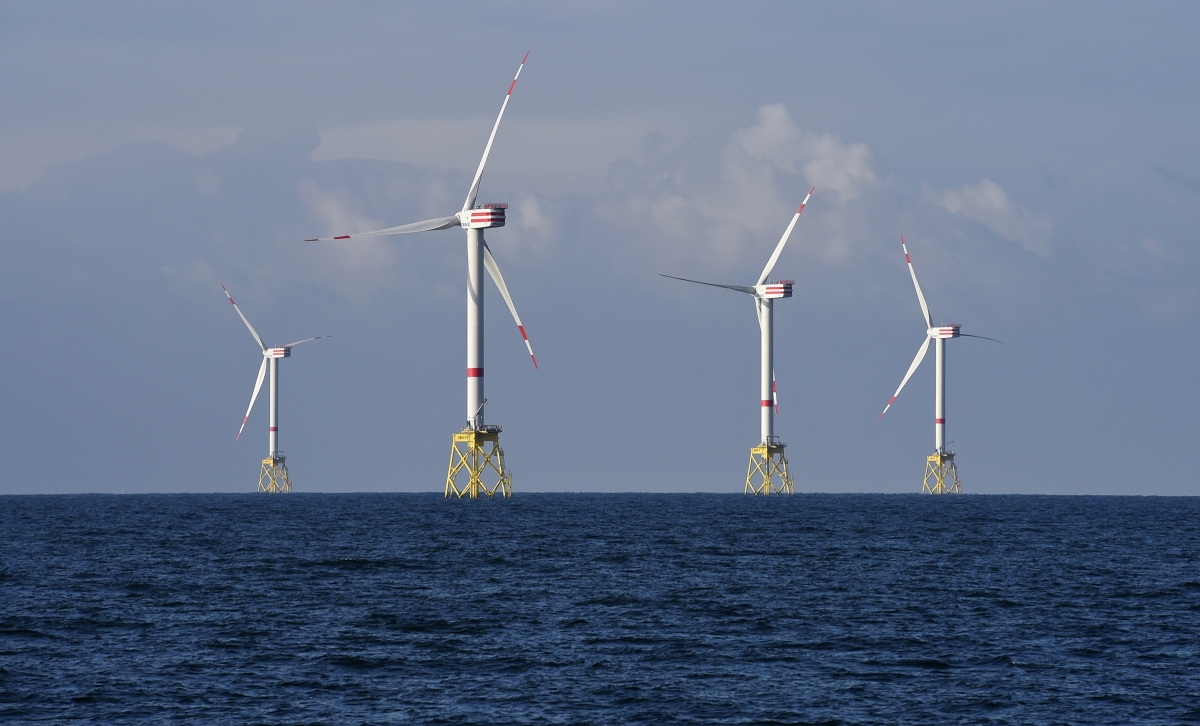
The weather was so sunny and windy that at about 1pm in the day, the wind, hydro, solar and biomass plants in Germany generated 87% (55GW) of the entire amount of power (63GW) being consumed in the country.
German clean energy think tank Agora Energiewende says that in 2015, the average amount of renewable energy contributed to the total power consumed in Germany amounted to at most 33%. But because the power generated that day was so much, it caused power prices to plummet for several hours, which meant that commercial customers were actually being paid to consume electricity instead.
"We have a greater share of renewable energy every year," Christoph Podewils, director of communication at Agora Energiewende told Quartz. "The power system adapted to this quite nicely. This day shows again that a system with large amounts of renewable energy works fine."
Unfortunately, Germany's national power grid system is still too rigid, so power suppliers and industrial customers were unable to respond to the situation quickly enough on Sunday.
The gas power plants were taken offline over the period, but nuclear and coal plants are not designed to be shut down quickly, so they continued to run and instead had to pay to sell the national grid power for several hours.
However, this shows that renewable energy could one day replace traditional power suppliers, meaning that the quest to reduce greenhouse gas emissions is possible. It is also not the first time such an incident has occurred – in July 2015, unusually high winds in Denmark enabled Danish wind farms to generate an epic 140% of the total power being consumed in the country.
Luckily, Denmark's national electricity grid featured interconnectors, so 80% of the surplus power was immediately shared between neighbouring Norway, Germany and Sweden.
Germany has pledged to completely transform its electricity supply to 100% renewable energy by 2050, despite critics warning that renewable energy is not reliable as a main power source compared to fossil fuels because winds fluctuate, and depends on cloud cover hiding the sun.
Comments
Post a Comment