News, Information, Opportunities for Africans, all round solution, inspiring stories and articles etc.
Search This Blog
Lake Victoria: Pictures show how over-fishing, pollution and climate change is killing Africa's greatest lake
The
world's second-largest freshwater lake is struggling, and the 30
million people who rely on it for survival are already feeling the
consequences. Lake Victoria, which spans three countries – Kenya,
Tanzania and Uganda – is a major source of income for local communities
and national economies. There arguably isn't an industry more important
to both than fishing.
This African Great Lake produces about £500m
($722.2m) worth of fish a year, but in recent years, a combination of
over-fishing, illegal fishing, pollution and climate change has strained
the lake's fish stock, causing many in the industry to struggle.
Fish
traders are being forced to take on second jobs because the cost of
fish is rising so dramatically that they aren't making living wages,
fishermen are working much longer hours on the water than they did a few
years back for the same catch, and restaurant-owners are having to
close shop or purchase fish from the likes of China, which is cheaper
but puts local fishermen out of business. Alternatives
But
there are alternatives to traditional fishing, specifically fish
farming, that could alleviate the lake's downward spiral. Fisheries are
popping up all over the region, and fish farming is now contributing
about 1% of Kenya's GDP, according to the Lake Victoria Fisheries
Organization. Nile perch, an invasive species, is the lake's dominant
fish. It's notorious from the documentary Darwin's Nightmare, which
chronicled the Nile perch's destruction of hundreds of species of
endemic fish in Lake Victoria. The fish is hugely popular and profitable
as an export to Europe. As
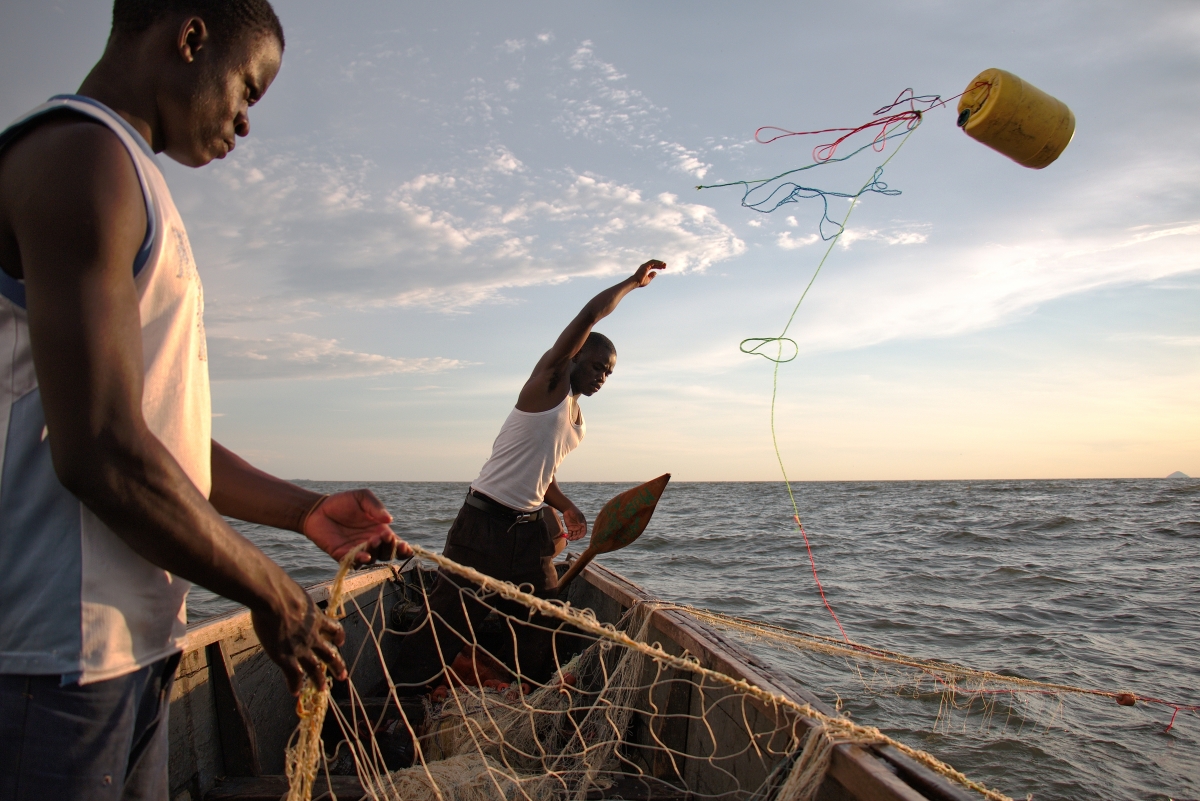
the sun sets, Kennedy Omondi, 27, and his twin brother Charles toss
their final net for the day. They are to wait all night for their catch
of Nile perch, sleeping under a tarpaulin as a heavy storm is rolling
in. But diminishing stock and size of the fish – the
UN's Food and Agriculture Organization estimated the the average Nile
perch caught has dropped from 50kg in the 1980s to less than 10kg today –
means the brothers would come back with less money every month. The
Omondi brothers live on Migingo Island, a small rock that is about two
hours by boat from where they are fishing just off the coast of Sori in
Kenya. They have been fishing for just two years, but they are not sure
if it'll be possible to continue much longer. "I don't know what we'll
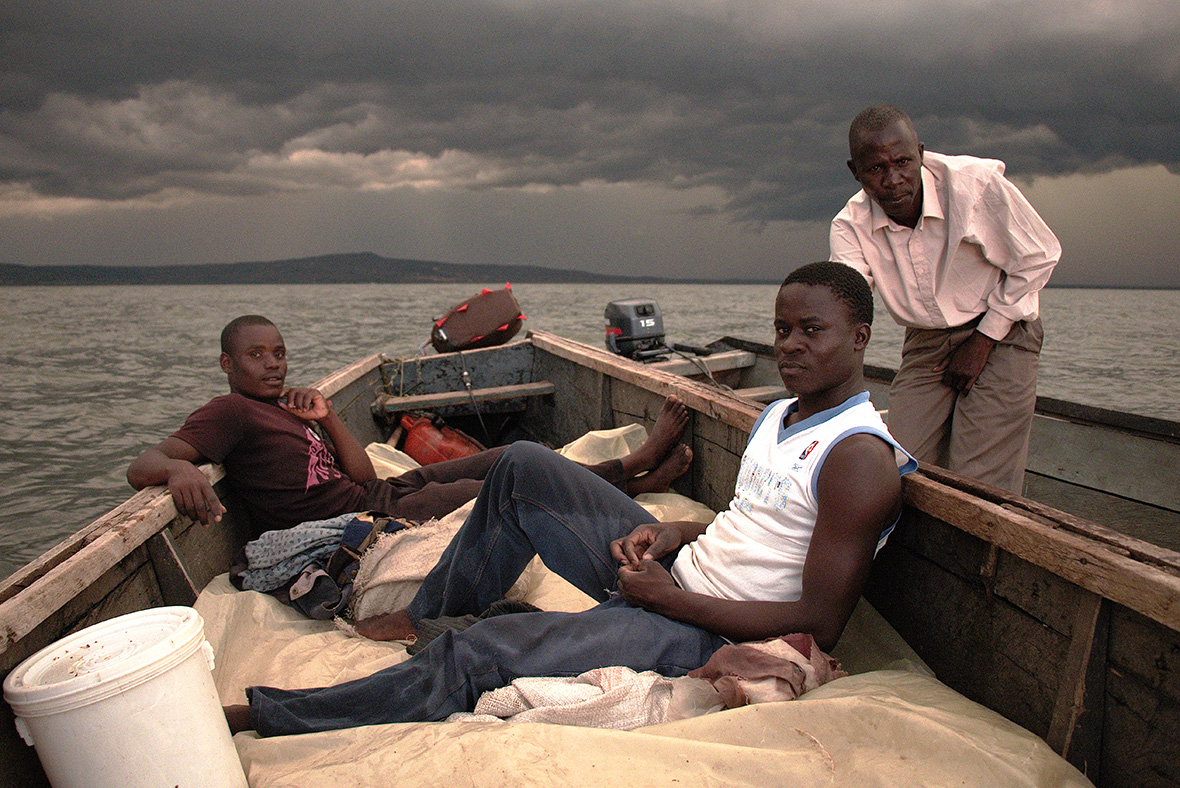
do for work instead," says Kennedy. They
ready for the long night ahead spent on the boat. Their friend, George
Onguta, has arrived to bring them supplies for the night. They have a
fish and a loaf of bread for food and a tarpaulin to keep them dry.
Their phones are good entertainment until they fall asleep. Migingo
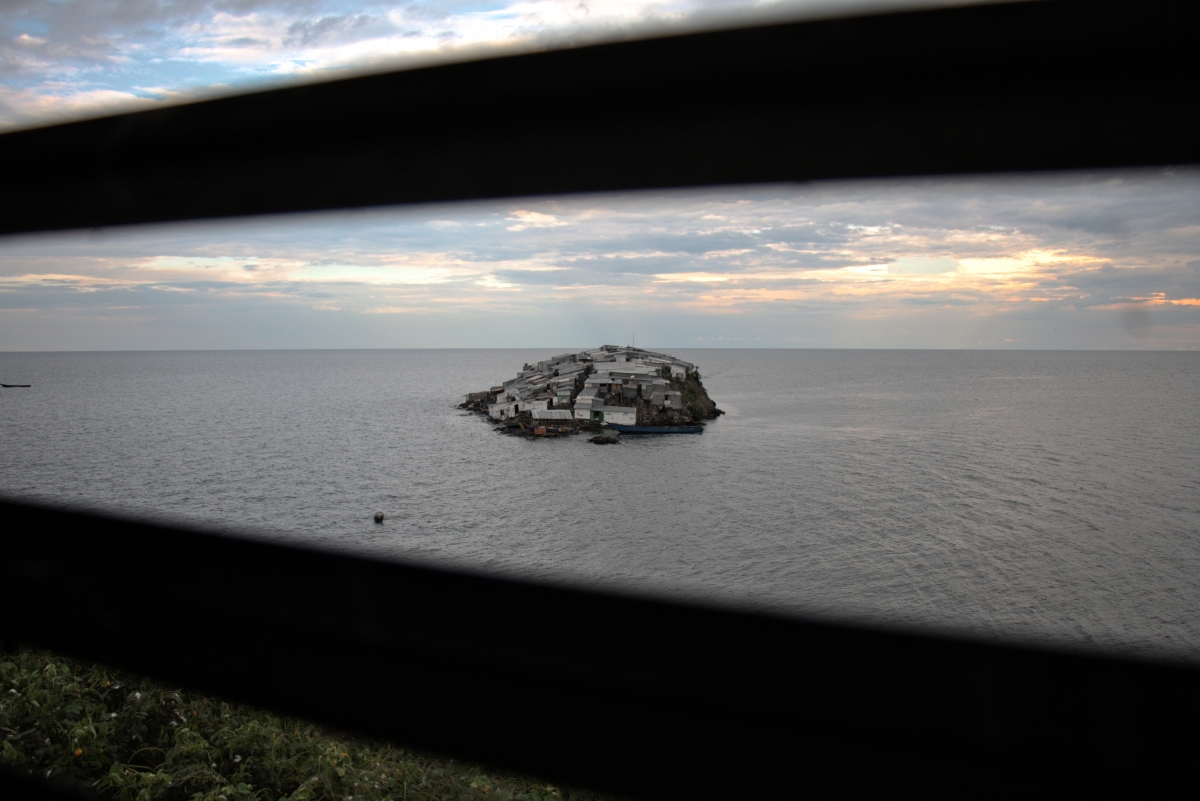
Island, where Kennedy and Charles Omondi reside, is a microcosm of the
problems facing Lake Victoria. The island is contested and contentious
territory between Uganda and Kenya, who both claim it as their own. The
reason for the controversy is fish.
The area around Migingo, where
around 300 fishermen and their families live, is home to some of the
deepest waters and biggest catches in Lake Victoria. As next year's
presidential election in Kenya quickly approaches, rhetoric regarding
Migingo Island is already heating up. Opposition leader Raila Odinga
recently called for Kenyan security forces to kick out their Ugandan
counterparts. At
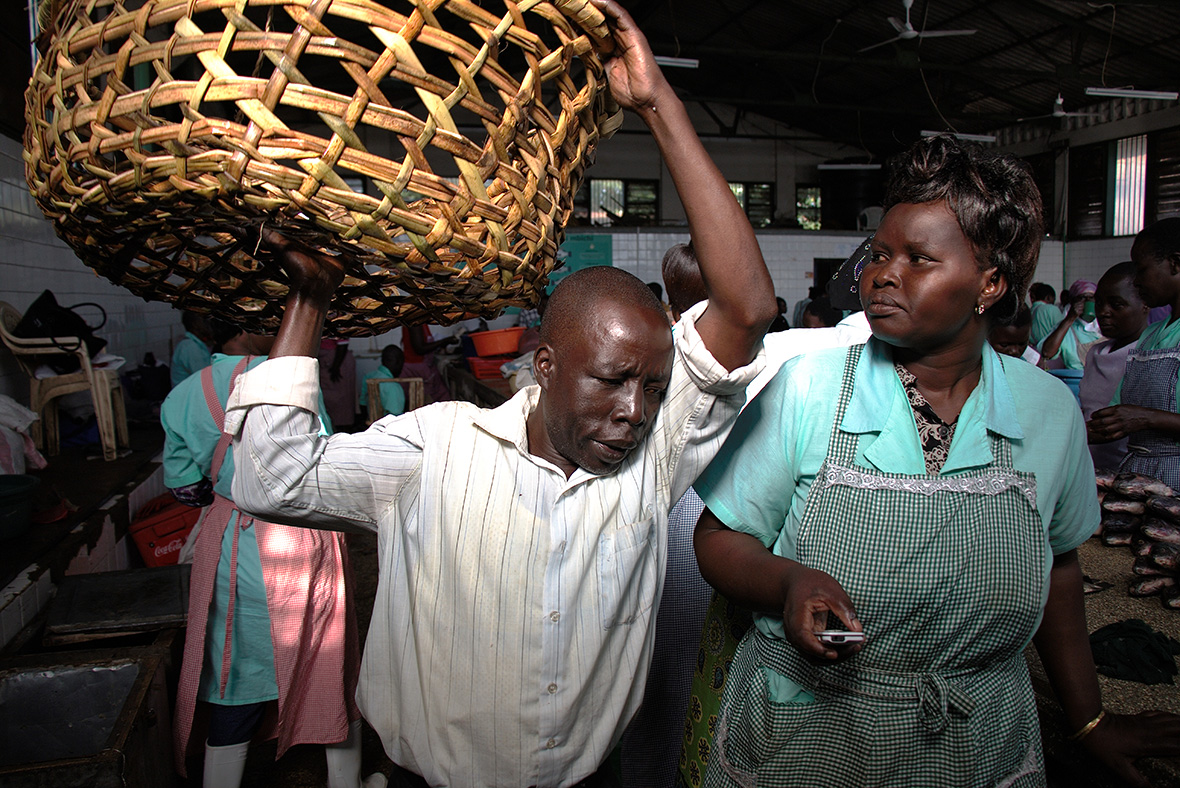
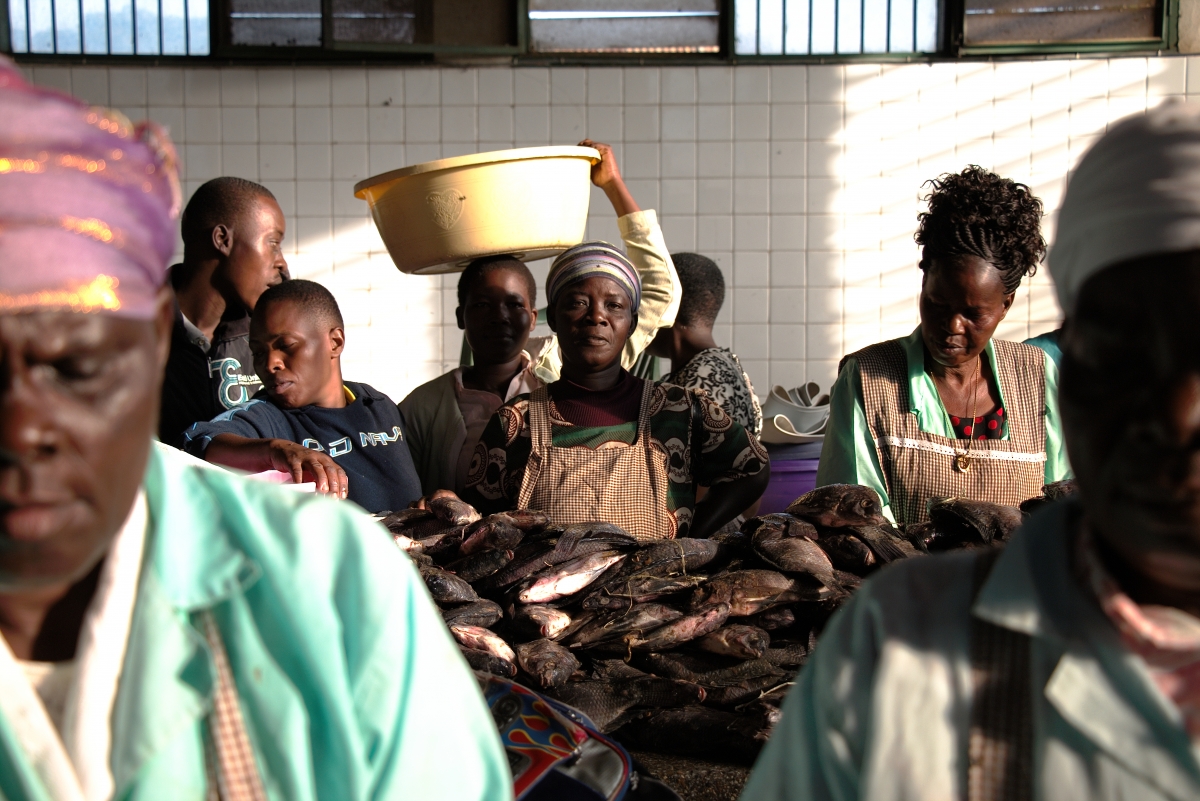
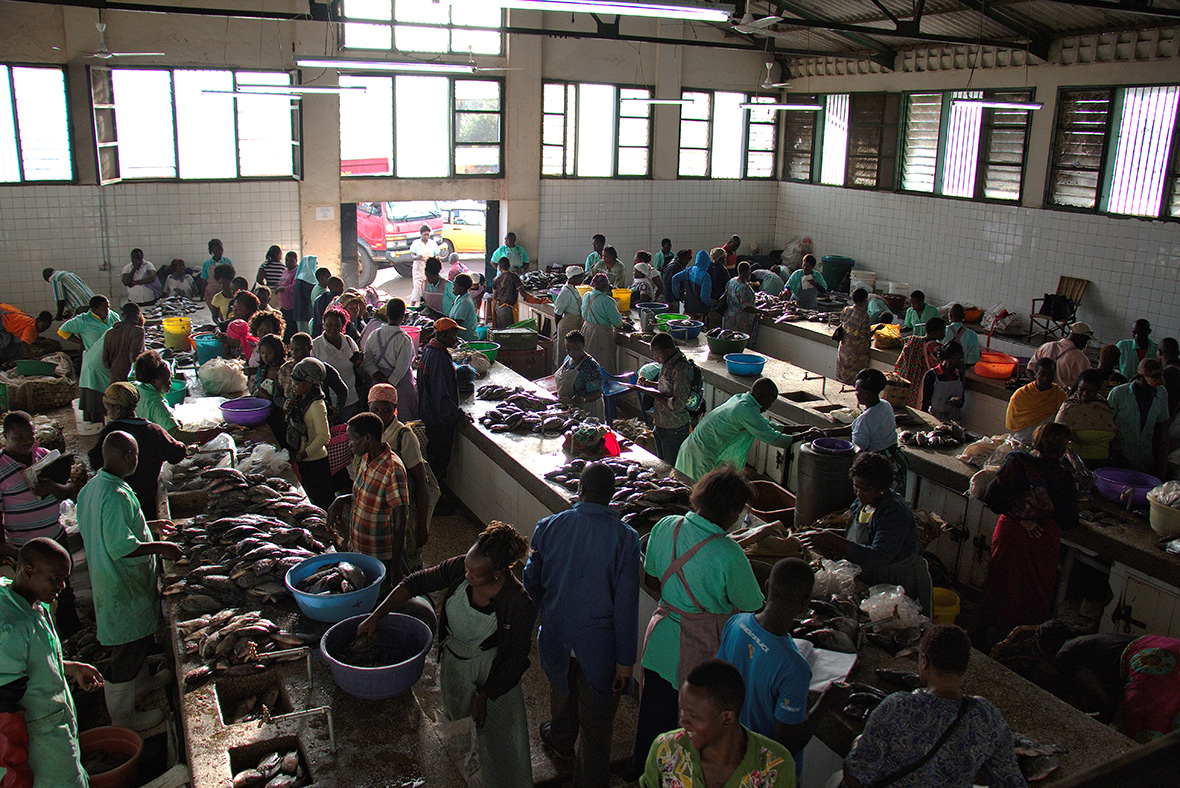
the fresh fish market in downtown Kisumu, Kenya's largest city by Lake
Victoria, about a hundred female traders supply the bulk of restaurants
and small-scale buyers in the area. But as the fish stock has decreased,
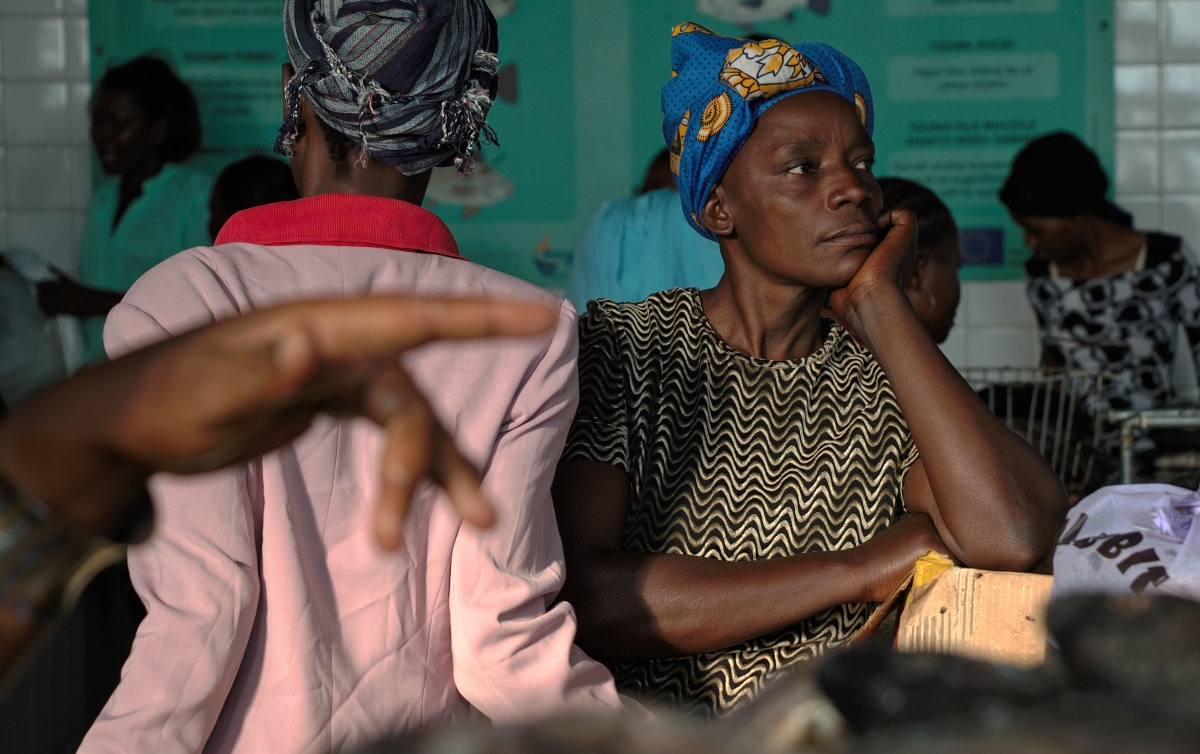
prices have gone up. Marlyine Akinyi, 33, pictured above-right, a
trader for over the last decade, says that the price of tilapia has
increased fifteen-fold since she started working here. On
many days, some of the traders like Akinyi don't receive any fish from
their fishermen if that day's catch was sub-par, which forces Akinyi to
buy fish at a higher price from other traders, significantly decreasing
her profit. Other traders like Mary Omulo (not pictured), 50, a mother
of six who has been working in the dried fish market for more than 20
years, have to work second jobs to make a living. Omulo now cleans a
nearby bus stop every morning from 6am-10am before heading to her fish
stall. "I'm lucky," she says. "Many other traders wish they could find
more work but it's very difficult." Due
to rising prices of fish from Lake Victoria, the market is experiencing
an influx of fish imported from China. Whereas a standard-sized tilapia
from Lake Victoria sells for about £1, the same sized fish from China
sells for £0.5. Many traders buy the Chinese fish even though they know
it's hurting local fishermen. The
most damaging practice going on at the Kisumu fish market, and in
markets throughout Lake Victoria, is the sale of undersized, young fish.
Many fishermen, in desperation for a bigger catch, reduce the size of
the holes in their nets below legal limits to catch smaller fish. But
there's a reason it's illegal: catching young fish stunts the species'
reproductive capability since there won't be enough adults. Another
practice has become infamous in the region. Fishermen, exploiting the
difficulty for female fish traders to make a living, are known to give
preferential treatment to them in return for sex. The practice has led
to very high rates of HIV/AIDS among fishing communities in the area –
about 30 percent prevalence rate compared to the national average of 7.5
percent.
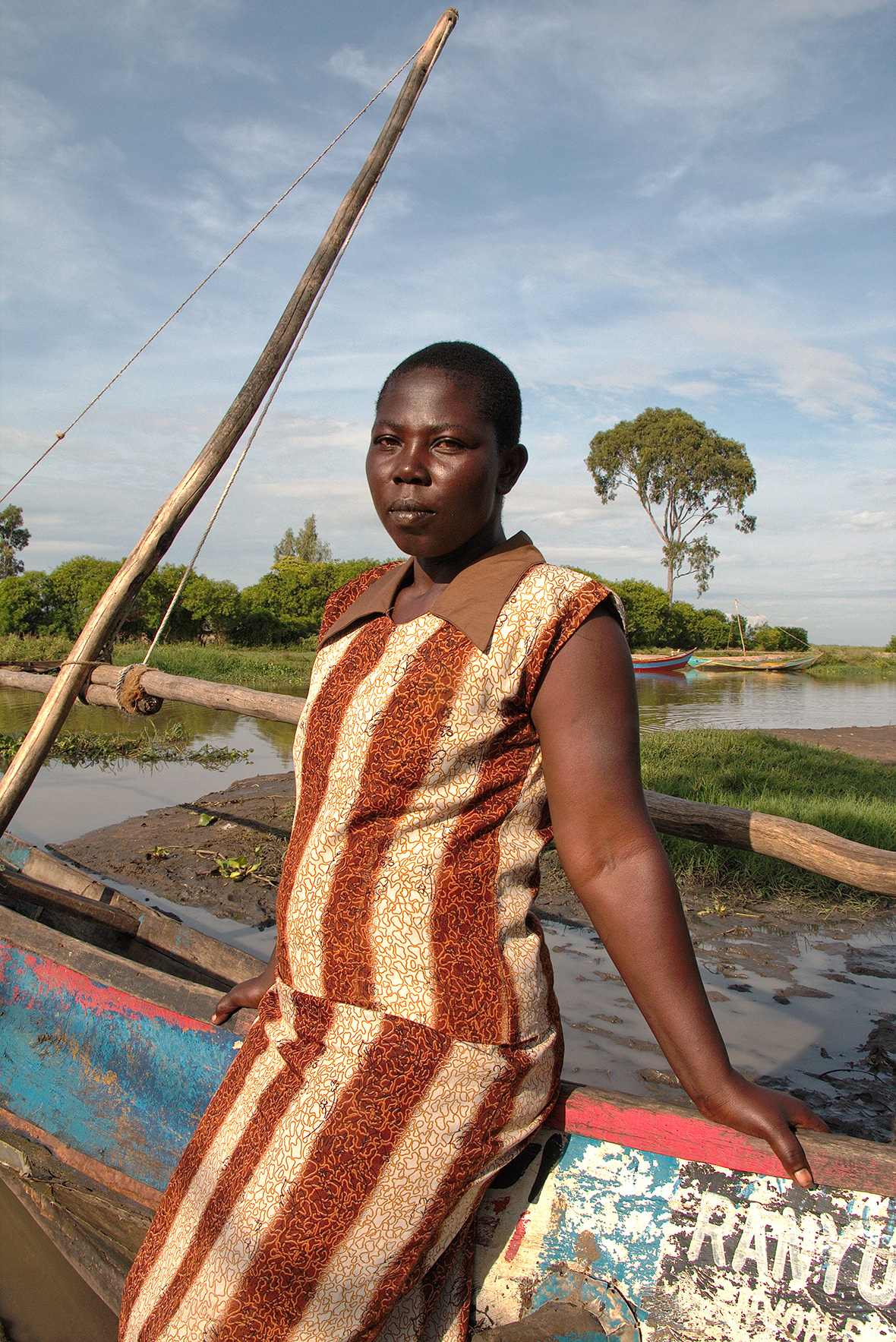
Annie Ouma, a fish trader for the last five years in
Nyamware Beach, Kenya, is part of a program called No Sex for Fish,
which provides female traders with boats so that they can employ
fishermen and control the catch themselves. As
population and industrialisation along the lake has increased
dramatically, so has pollution. The main culprits are fertiliser,
industrial pollutants from factories and raw sewage run-off. The
pollution changes the chemistry of the lake, causing an explosion of
algae blooms that blanket the lake green, which choke oxygen flow into
the water and block the sun, says Tsuma Jembe, a research scientist at
LVFO.
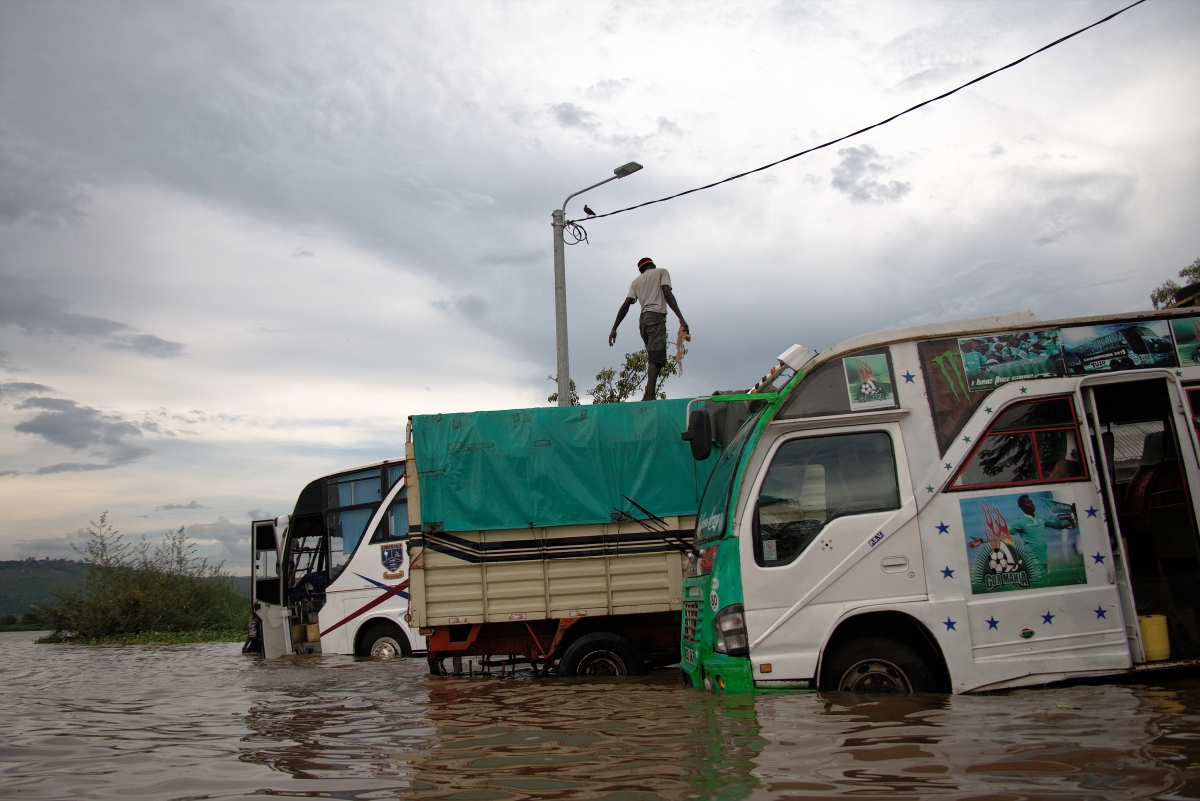
While they certainly don't pollute the waters as much as
sewage run-off or industrial waste, the oil and gas leakage from these
vehicles while being cleaned is certainly harming the lake ecosystem,
says Jembe.
Ivan Otieno, 25, a car washer, says he is well aware
that his work is damaging the lake, but has no other option since the
government hasn't provided the inland car washes that were promised.
"What are we supposed to do?" he says, "we have to work somewhere." A
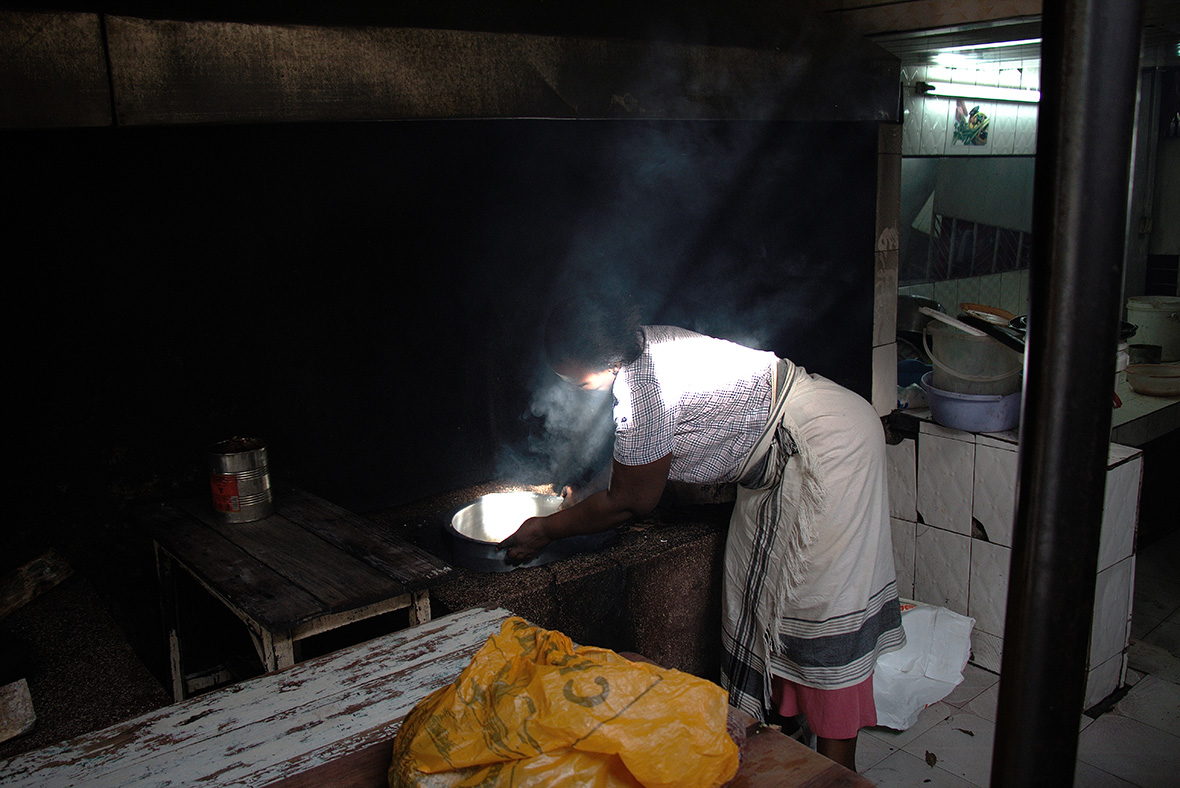
few hundred metres from the car wash, Syprose Ndong'a stands outside
her restaurant, Kisumu Restaurant Baraka, waving at passersby to come
inside to eat. About a dozen other women at neighboring restaurants call
and beckon as well. Ndong'a (pictured) says the rising price of fish –
from about the equivalent of £0.07 to £1 a tilapia in the last 10 years –
has hurt her business and caused many others to close down. There
are programs in place to stop Lake Victoria's demise, however. Fish
farming has become big business, accounting for almost one percent of
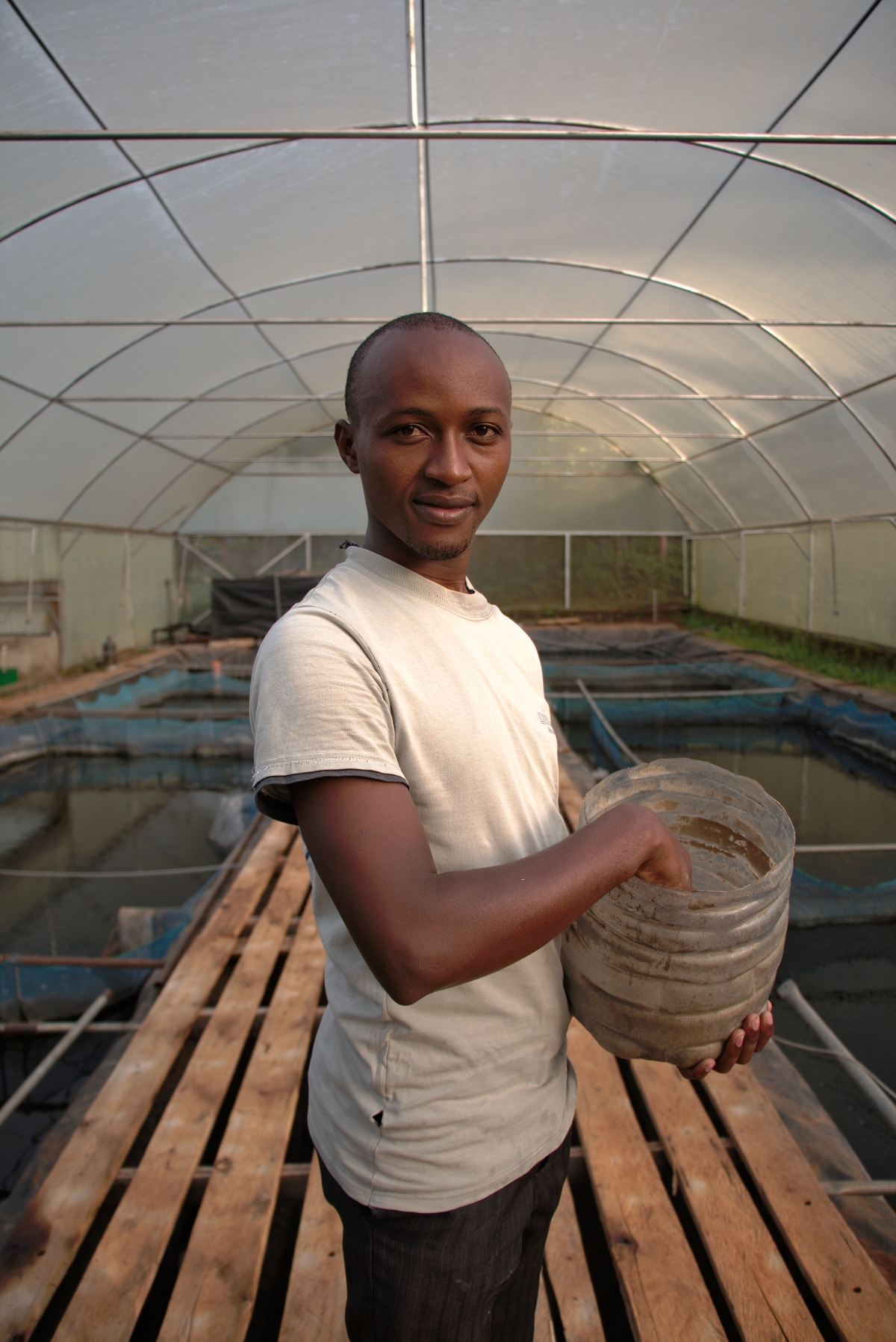
Kenya's GDP, says Jembe. Edwin Muthike, 25, is the manager of Pioneer
Fish Farm in Lela, Kenya.
His farm is currently home to tens of
thousands of fish at different stages of life, which he sells to local
fish farmers. Fish farming is more profitable than other crops, says
Charles Opanga, a program director for Farm Africa, an NGO that provides
training and quality inputs like feed to fish farmers.
There's
signs of prosperity throughout the industry. Factories that produce fish
feed, which was previously imported from Uganda, have popped up near
fish-farming hubs, fish farmers are opening up their own restaurants to
sell their product, and scientists such as Muthike are perfecting the
art of growing fingerlings.
Of course, there's still a raging
debate about whether farm fish taste as good as fish from the lake. The
answer depends on who you ask, but it's still a surprise when Muthike
says, "I actually think my fish are tastier."
It said Daljinder Kaur gave birth to a baby boy at a fertility clinic in the northern Indian state of Haryana, following two years of in vitro fertilisation (IVF) treatment. The report noted that though Kaur doesn’t possess any official paper to justify her age, but doctors at the hospital have registered her age as 72 years. It noted that if Kaur’s age is correct, that makes her one of the world’s oldest woman to become mother.
I believe that we were all sent here for a reason and that we all have significance in the world. I genuinely feel that we are all blessed with unique gifts. The expression of our gifts contributes to a cause greater than us.
The son of former Nigerian military head of state Yakubu Gowon is due to return to Nigeria after spending 22 years in a US prison after being convicted on drug-related charges. It is believed Musa Gowon was released from the Taft Correctional Facility Bakersfield, California, after US President Barack Obama granted him pardon earlier in November.
Comments
Post a Comment